


Yandere Love
4.040.00 Reviews
App Specs
- Version
- 2.0.0
- Updated On
- License
- Free
- Downloads
- 100,000+
- Developer
- JoRo!
- Categories
- Adventure
- Platform
- Android
Screenshots
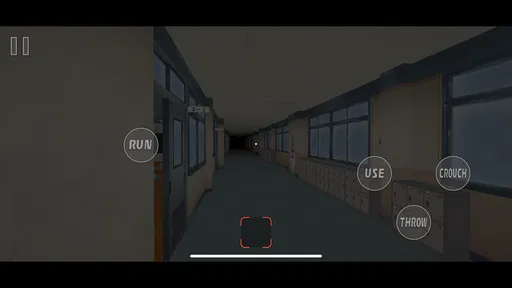
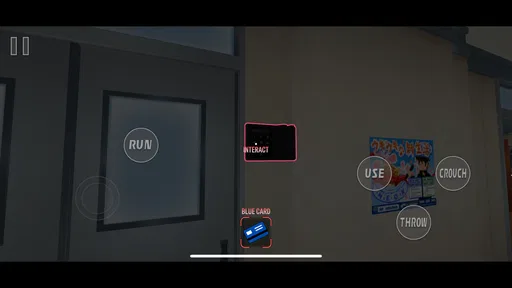




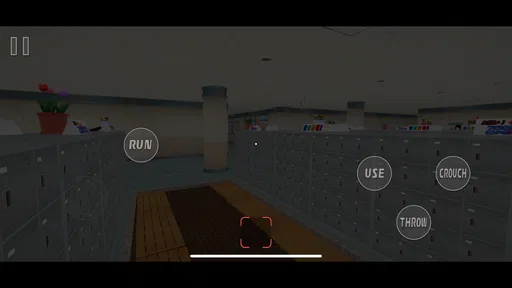
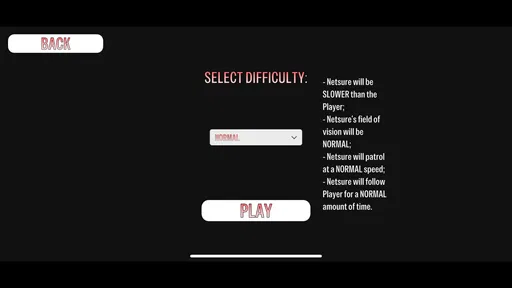
 Analysis by AppCompare
I went into Yandere Love expecting a compact adventure game built around an uncomfortable romantic obsession, and that is exactly the kind of experience it presents. The central idea is simple: you are trying to get away from a girl whose feelings have become dangerous. That setup gives the game a tense, mature tone rather than the relaxed, exploratory feeling I usually associate with adventure titles.
What makes it worth considering is not a huge feature list, but the directness of the premise. You are not being asked to manage a broad fantasy world or learn a complicated role-playing system. The appeal comes from the pressure of being pursued and from figuring out how to move forward without losing your nerve. I found it easiest to enjoy when I treated it as a focused suspense experience instead of expecting a long, open-ended adventure.
Getting started without overthinking the premise
The game is free to download, which makes it fairly easy to try without committing money first. It is listed for players aged 17 and over, and I would take that seriously: the obsessive relationship theme is not aimed at children, and the mood can be disturbing even when the presentation is not constantly loud or graphic. If you are looking for a cheerful romance game, this is the wrong direction entirely.
JoRo! is the developer behind the game, and the current release is version 2.0.0. It runs on Android 6.0 or later, so compatibility should cover many older devices as well as newer phones. I would still begin with the phone charged and notifications silenced. That is not because the setup is complicated, but because interruptions make a pursuit-based game feel less coherent and can cause you to miss the significance of what is happening around you.
The first useful decision is deciding how seriously you want to take the atmosphere. If you rush through the opening only looking for the next obvious action, the experience can feel thin. I got more from it by paying attention to the situation and treating every movement as part of an escape attempt. That small change in mindset makes the game’s premise feel more active and gives the early section a clearer purpose.
There are in-app purchases priced at $1.99 per item. Since the game itself is free, I would play through the opening before considering any optional purchase. That gives you a chance to decide whether the basic tension and pacing work for you, rather than paying because the premise sounds interesting on paper. For a first session, the free starting experience is the sensible test.
What the first meaningful success feels like
For a new player, success is not simply reaching a screen quickly. The more satisfying early moment is when you understand that escaping requires observation and restraint, not just constant movement. I recommend taking a short moment at the beginning to learn the layout and notice how the game communicates danger. Once you stop treating every pause as wasted time, the tension becomes easier to read.
Worth Reading Before You Choose

EA SPORTS FC Mobile 26 Is a Bigger Football Game, but It Takes Time

Flipboard Shows What News Apps Must Do Beyond the Feed

Switching to Android Auto Means Rethinking Your Driving Routine

Google Calendar Makes a Crowded Week Easier to Manage

Ludo King Makes the Most of the Minutes Between Plans

Baby Panda World Brings Quick Play to Modern Phones, but Its Game Library Feels Busy
A practical approach is to make one small objective at a time. First, work out where you can safely move. Next, identify what seems to change the situation. Then commit to the route rather than repeatedly reversing direction. This method helped me avoid the common beginner mistake of reacting emotionally to the pursuer and turning a manageable situation into a frantic one.
The game is more enjoyable when you accept that a failed attempt can teach you something. I would not approach it like a casual title that should be mastered immediately. If you make a poor decision, remember what caused it, adjust your timing, and try again. That loop is especially useful for players who like suspense games where the first attempt is partly about learning the rules of danger.
One non-obvious tip is to separate exploration from escape in your head. When the immediate threat feels low, use that time to understand your surroundings. When the threat rises, stop experimenting and follow the plan you already formed. Mixing those two modes is what made my early attempts feel chaotic; keeping them separate made each decision more deliberate.
Where first-time players may become confused
The unusual part of the premise is that the character pursuing you is not presented as a conventional monster or anonymous enemy. The danger is tied to affection and fixation, which can make the tone feel different from a standard chase adventure. If you expect clear heroic goals or a friendly relationship system, the game may seem confusing at first. Its conflict depends on the fact that attention itself has become threatening.
Another source of friction is pacing. A tense escape game often needs quiet moments, and those moments can look like a lack of progress if you are accustomed to constant rewards. I found that silence and hesitation work better when viewed as preparation. The game asks you to stay alert even when nothing dramatic is happening, so patience is part of the challenge rather than a sign that the session has stalled.
I also would not assume that every visible possibility deserves immediate action. In this kind of situation, curiosity can be costly. Before moving toward something that looks interesting, consider whether it improves your position or merely exposes you. That risk-versus-information trade-off is one of the game’s more useful lessons, and it gives the adventure more texture than simply following a straight path.
For an everyday example, imagine playing during a short evening break with headphones on. You have enough time for one focused attempt, but not enough patience to wander aimlessly. In that situation, I would spend the opening learning the environment, make a mental route, and stop after a failed run to reassess instead of restarting instantly. That workflow turns a brief session into a useful learning cycle rather than a string of frustrated guesses.
How the mature theme affects its audience
The 17+ rating matters because the game’s hook is built around threatening obsession, not harmless flirtation. I would recommend it to adults who enjoy psychological tension, uncomfortable character dynamics, and escape scenarios. The premise may appeal to fans of yandere fiction, but people who dislike possessive relationship themes should skip it even if they normally enjoy adventure games.
I would also avoid recommending it as a shared family game. The subject matter is too specific, and the emotional discomfort is part of the experience. It is better suited to someone who already knows they can handle darker romantic themes and wants a short, focused game rather than a broad social simulation.
That distinction helps explain its audience. The game is not trying to compete with a large exploration adventure on world size, character variety, or relaxed discovery. Compared with a conventional adventure title, its strength is the narrow pressure of the situation. Compared with a typical romance game, it replaces comfort and choice with unease and avoidance. Neither comparison makes it universally better, but it does make the intended experience clearer.
Free access, optional spending, and practical expectations
The free entry point is useful because the game’s appeal depends heavily on whether its tone works for you. A player who connects with the premise can continue exploring the experience without needing to make an immediate purchase. A player who finds the obsession theme unpleasant can leave without having paid simply to discover that mismatch.
The $1.99 price per in-app item is modest in isolation, but I would still treat purchases as a later decision. Do not assume that spending will solve a problem caused by unfamiliarity with the game’s pacing. First learn how the escape flow works and decide whether you enjoy repeating attempts. If you dislike that learning process, an item is unlikely to change the basic character of the game.
The install figure has passed 100K, while the average rating sits at 4.0 from around 1.8K ratings. I read that as a sign of a reasonably established audience, but not as proof that every player will enjoy the same unusual premise. There are around 40 written reviews, so I would pay more attention to comments about tone and play style than to the score alone.
Those figures also suggest a practical way to approach the game: try it for yourself rather than relying on popularity. A mature adventure centered on a yandere character will naturally divide players. Someone who wants exactly that tension may find the focused design appealing, while someone seeking a broad, forgiving adventure may rate it poorly for reasons that have little to do with technical quality.
Small habits that make the experience better
My first recommendation is to play in short, attentive sessions. Long sessions can make repeated attempts blur together, especially when the main challenge is reading danger and correcting mistakes. A short break after a failed run helps you remember the specific decision that went wrong instead of simply feeling that the whole game is unfair.
Second, avoid playing while multitasking. This is not a good background game for watching a video or answering messages. The premise depends on anticipation, and the tension disappears if you are only half aware of the situation. A few uninterrupted minutes are more valuable here than a longer session full of distractions.
Third, use the first attempt as reconnaissance. Do not measure it only by distance or progress. Notice what makes you feel exposed, which choices seem irreversible, and where your attention is pulled away from the safest route. That information gives the next attempt a concrete purpose and is more useful than blindly repeating the same sequence.
Finally, decide early whether you prefer experimentation or cautious play. Experimentation can reveal how the game reacts, but it may lead to more failures. Caution preserves a promising attempt, but it can also make you miss useful information. I preferred cautious play after learning the basics, while using deliberate experimentation only when I had a clear question to answer.
Who should choose it, and who should look elsewhere
I would point this game toward a player who wants a mature adventure with a strong central hook and does not mind feeling pursued. It is a good fit for someone who enjoys tense decision-making, compact scenarios, and stories where the threat comes from a human relationship taken to an extreme.
I would steer you elsewhere if you want a relaxing exploration game, a traditional love story, a large role-playing adventure, or a title designed for children. It is also not the best choice if you dislike retrying after mistakes. The game’s appeal depends on learning through pressure, so players who want constant forward progress may find the structure irritating.
Compared with the usual alternatives in the adventure category, this one is more specialized. A mainstream adventure game may offer more locations, broader objectives, and a gentler learning curve. A horror game may rely more heavily on monsters or jump scares. Yandere Love stands apart by making the relationship itself the source of danger, which is its clearest strength and its biggest limitation at the same time.
My recommendation after settling into the escape
After giving it a fair chance, I see this as a focused, mood-driven game rather than an all-purpose adventure recommendation. The premise is memorable, the mature angle is clear, and the free starting point makes experimentation easy. I especially liked the way the game encourages me to observe before acting, because that creates tension without requiring a complicated system to explain.
Its limitations are equally clear. The narrow theme will not suit everyone, and the experience asks for patience when a player may expect immediate action. Optional purchases mean that some players may wonder about spending before they have fully judged the basic game, but I think waiting is the smarter choice. Learn the rhythm first, then decide whether you want anything beyond the free experience.
My best advice for a first session is simple: install it only if the mature yandere premise genuinely interests you, play without distractions, and treat the opening attempt as a lesson rather than a test you must pass immediately. Once you understand that observation is as important as movement, the escape becomes more satisfying and less confusing.
In the end, I would recommend Yandere Love to adults looking for an unusual suspense adventure with a personal, unsettling threat. I would not recommend it as a safe default for every adventure fan. Its value comes from committing to one specific idea, and if that idea appeals to you, the game offers a direct way to explore it without an upfront price.
Pros
- Short
- easy-to-follow gameplay sessions for casual players.
- Distinctive yandere-themed atmosphere appeals to visual novel fans.
- Simple controls make it accessible to newcomers.
- Character-focused story encourages curiosity about each route.
- Runs well on many modern Android and iOS devices.
Cons
- Dark themes may be uncomfortable for some players.
- Limited replay value after completing the main story.
- Some dialogue can feel repetitive between scenes.
- Progress may depend on watching ads or optional purchases.
- Not suitable for younger players due to obsessive behavior themes.
FAQs for Yandere Love
What is Yandere Love about?
Yandere Love is a romance-focused visual novel and interactive story built around intense relationships, dramatic choices, and characters with obsessive personalities. As you progress, your dialogue and decisions can influence how the story develops. The experience is aimed at players who enjoy anime-inspired romance, suspense, and emotionally unpredictable characters rather than traditional casual dating gameplay.
Is Yandere Love suitable for all ages?
Before downloading Yandere Love, check the age rating shown on the Google Play Store or App Store, because the content may vary between versions. The game can include mature romantic themes, jealousy, possessive behavior, emotional manipulation, and references to violence or disturbing situations. It may not be appropriate for younger players or anyone sensitive to dark relationship storylines.
Does Yandere Love require an internet connection?
Yandere Love may need an internet connection for downloading story resources, displaying advertisements, synchronizing progress, or accessing optional features. Some previously downloaded content might work offline, but this should not be assumed for the entire game. If you plan to play while traveling, open the app first with a stable connection and verify which chapters and functions remain available offline.
Is Yandere Love free to download and play?
The app may be available as a free download, but free access does not always mean that every feature is included. Depending on the version, you may encounter advertisements, energy systems, locked chapters, premium choices, or optional in-app purchases. Review the store listing and purchase information carefully, especially if children use the device, and disable unauthorized payments through your device settings.
Can my choices change the ending in Yandere Love?
Choice-based romance games are designed to make conversations and actions feel meaningful, and Yandere Love may use your decisions to affect relationships, scenes, and possible conclusions. However, the exact amount of branching can differ by chapter or version. It is worth saving progress before important decisions, since some routes may require replaying earlier sections to discover alternative outcomes.


